
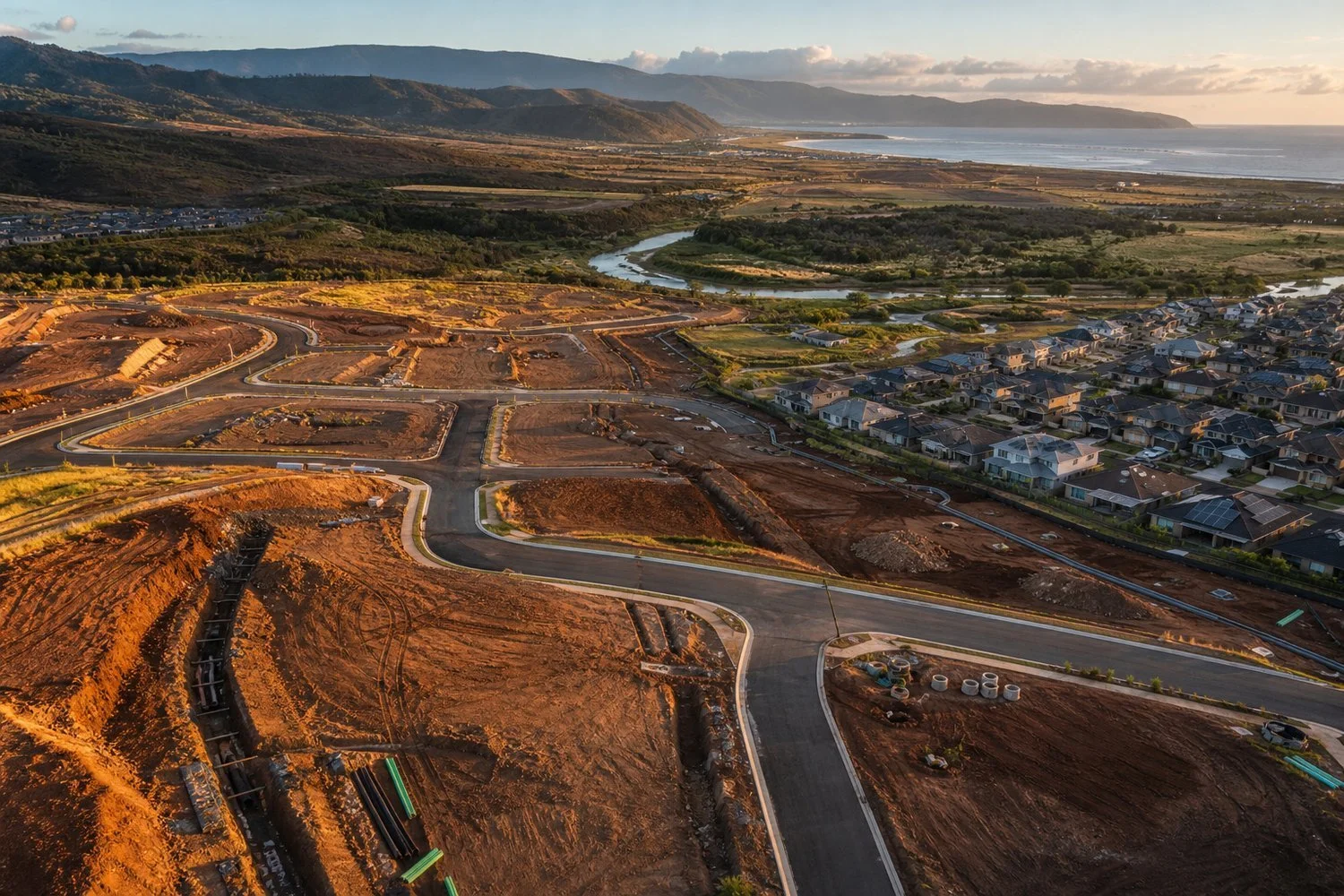
Yes, bring your agent to the first new-construction visit. The builder's sales representative works for the project seller, and registering alone can limit your ability to add your own representation later. Your agent also helps you compare incentives, review reservation paperwork, and protect your deposit and deadlines.
Do I need my agent with me at the first new-construction sales office visit?
Yes. Your first sales office visit matters because the builder's sales representative works for the project seller, not for you, and many builders treat whatever you sign at the front desk as your registration. If you walk in alone, you may not be able to add your own representation afterward. Bring your Hawaii-licensed buyer's agent to the very first visit so your interests are covered before any paperwork starts.
Key Takeaways
- A builder's on-site representative is generally there to serve the project seller, so you need your own agent to look out for your interests.
- Registration rules are project-specific, and some Oʻahu builders require your agent to attend the first visit or be entered at first registration.
- Recent local market data puts Kapolei's median sale price at $711,830 across the last ~90 days, so a poorly compared incentive can matter at that price level.
- A credit toward upgrades is not worth the same as a price reduction or a closing-cost contribution, and your agent helps you compare them side by side.
- Hold off on signing a reservation form or paying a deposit until your agent has explained refundability, deadlines, and conditions.
Why the First Sales Office Visit Matters for Who Represents You
The first visit is when representation gets decided, often without anyone saying so out loud. A registration card or sign-in sheet can establish who is on record as your agent, and that record is hard to change later.
Who does the builder's sales representative work for?
The sales representative works for the developer. The sales office is operated for the project seller, so that person's job is to sell homes in that project at the terms the builder has set. They can be friendly and helpful, and they still aren't your independent advocate.
That matters because so much of a new-construction purchase is negotiated or explained across that desk: upgrades, completion timing, incentives, cancellation rights, and inspection access. You deserve someone on your side of the table for those conversations.
The Hawaii Real Estate Commission's Real Estate Commission Bulletin addresses agency disclosure and buyer-representation contracts, including identifying whom a licensee represents and who may pay a commission. That is the framework your agent works within, and it's a good reason to settle the question before you sit down with the builder.
What happens if you register without your agent?
In my experience, if you sign in alone at a new-construction sales office, you usually can't add representation later. The exact rule is project-specific. Some builders require the agent to come along on the first visit, and others want the agent's information entered at first registration. Your agent can confirm the policy for the specific project, and you should confirm it directly with the builder too.
I know it's tempting to stop by when you're driving past and curious. I get it, and nothing about wanting to look is wrong. But a casual first visit is exactly the moment buyers end up with less support than they thought they had. If you're a few weeks from touring, text me first and we'll go together.
How is my agent's compensation handled?
Broker fees and commissions are fully negotiable and not set by law. There is no standard rate. Whether a builder recognizes or compensates a buyer's agent is a project-specific question, and any compensation arrangement should be in writing before you visit.
The Commission's Hawaii Brokers' Prelicensing Curriculum treats agency disclosure and buyer-representation agreements as part of Hawaii's real estate practice framework. Before you tour, ask any agent you're considering what services are covered, when representation begins, and how any compensation obligation is handled. If you'd like to talk through how I work with buyers, that's a conversation I'm glad to have up front.
What should your agent help you review before you sign anything?
Your agent should help you review the incentives, the project details, and every reservation or deposit document before you commit to any of it. A first visit can move quickly from a tour to a unit selection, a reservation, a financing deadline, a design appointment, and a purchase-contract deadline.
How do you compare builder incentives?
Compare incentives by value and flexibility, not by how big the headline sounds. A credit toward upgrades may not be worth the same as a price reduction or a closing-cost contribution. Here's what I help buyers pin down:
- Is the incentive available on every unit, or only certain homes?
- Does it expire, and when?
- Does it require the builder's preferred lender or title provider?
- Can it be combined with other offers?
Builder rates and incentives change with each release, so verify the details with your own lender as well as the sales office. Your specific numbers depend on the unit, the lender, and your timing, which is exactly where a one-on-one conversation helps.
What should you ask about the project itself?
Old advertisements and social posts don't tell you what's available today. Ask for the builder's current materials, and note the month or quarter they apply to. My project checklist covers:
- Current base price and which homes are available
- Release date and estimated completion month or quarter
- Parking allocation and storage
- Monthly association fees
- Upgrade deadlines, plus appliance and finish specifications
- Warranty coverage and inspection policy
- Financing requirements
- Resale or assignment restrictions
- All current incentives, in writing
Reading the incentive terms and contract language is the kind of work I do with my clients before they ever put pen to paper.
Should you sign a reservation form or pay a deposit on the first visit?
Not until your agent has reviewed the document. Buyers sometimes feel pressure to reserve a home on the spot, especially when a release is active. Your agent can explain refundability, deadlines, and conditions before you commit, and your escrow officer can confirm how deposits are handled once you're under contract. A reservation is easy to sign and can be much harder to undo.
How does the first visit fit into the Honolulu, Hawaii market?
New-construction decisions on Oʻahu involve more than the price tag, because location, fee structure, and project phase all affect the comparison. Recent local market data gives useful broad context, but it doesn't tell you what any one project is charging or offering today.
What does recent local data show?
Recent local market data for Kapolei, covering roughly the last 90 days as of October 2026, shows a median sale price of $711,830. Homes that sold had a median of 49 days on market, there were 303 active listings, 105 new listings in the last 30 days, and 187 homes sold. These are area-level figures. An individual home's value depends on its condition, street, build year, and timing, and the days-on-market number reflects homes that sold, not how quickly any home went under contract.
| Area | Median Sale Price | Median Days on Market |
|---|---|---|
| Kapolei | $711,830 | 49 |
| Mililani | $694,500 | 48 |
These resale medians give you a baseline for comparing what a new home offers. They don't replace a conversation about a specific project's pricing, and a new release may price differently from what has recently sold nearby.
What should you compare between projects?
New construction on Oʻahu may be concentrated in master-planned or redevelopment areas such as Kakaʻako, Ala Moana, Downtown Honolulu, the ʻEwa Plain, and parts of West Oʻahu. Whether you're looking at Hoʻopili, Koa Ridge, or a project in Kapolei, the comparison goes well beyond the sticker price. Travel time, parking, transit access, association rules, and leasehold versus fee-simple status can all change the real cost and the day-to-day experience. Nearby construction phases matter too.
Two projects with similar prices can be very different purchases, and that's where an agent who knows the island earns their keep. Bringing someone local to the first visit means you leave with the right comparisons, not only a brochure.
How do you prepare for the first visit?
- Choose a Hawaii-licensed buyer's agent and discuss representation and compensation in writing.
- Ask your agent to confirm the project's registration policy with the builder.
- Talk with your lender about financing requirements and how any builder incentive interacts with your loan.
- Bring the project checklist above and ask for current written materials.
- Visit together, and wait to sign any reservation form or submit a deposit until it has been reviewed.
Real estate is simple, but not always easy. The right guidance turns a move that feels overwhelming into one you can make with confidence.
FAQ
Do I need to bring my real estate agent to the first new-construction sales office visit in Honolulu?
Yes, I recommend it. Some builders require the agent to attend the first visit or to be entered at first registration, and the rule varies by project. Bringing your agent from the start keeps your representation clear.
Can I use my own buyer's agent if I already registered at the builder's sales office?
It depends on the project, and often the answer is no. Many builders treat the first registration as final, and some may not recognize or compensate an agent added later. If you've already registered, contact me before you go back so we can find out the builder's policy.
Who does the builder's sales representative work for?
The sales representative works for the developer, so their role is to serve the project seller. They can answer questions about the project, but they aren't your independent advocate on price, terms, or incentives.
Can my agent negotiate builder incentives, upgrades, or closing-cost credits?
Your agent can ask for them, compare them, and help you understand what each is really worth. What a builder will agree to varies by project and release, and nothing is guaranteed. Confirm incentive details in writing and with your lender.
Should I sign a buyer-representation agreement before touring a new-construction project?
Usually, yes, once you're comfortable with the agent and the terms. Ask what services are covered, when representation begins, and how any compensation is handled before you visit. Hawaii's Real Estate Commission materials treat buyer-representation agreements and agency disclosure as part of normal practice.
Ready to plan your first visit?
Your first sales office visit matters more than most buyers expect, because it sets who represents you, what you understand about the incentives, and how carefully you handle the paperwork. I'd love to go with you, help you compare the options, and keep you from signing anything before you're ready. Schedule a consultation with me and we'll build your plan before you set foot in a sales office.
Equal Housing Opportunity. Real estate licensees in Hawaii are regulated by the Hawaii Real Estate Commission. This article is general information, not legal, tax, or financial advice. Confirm your own numbers with your escrow officer, tax advisor, or lender.